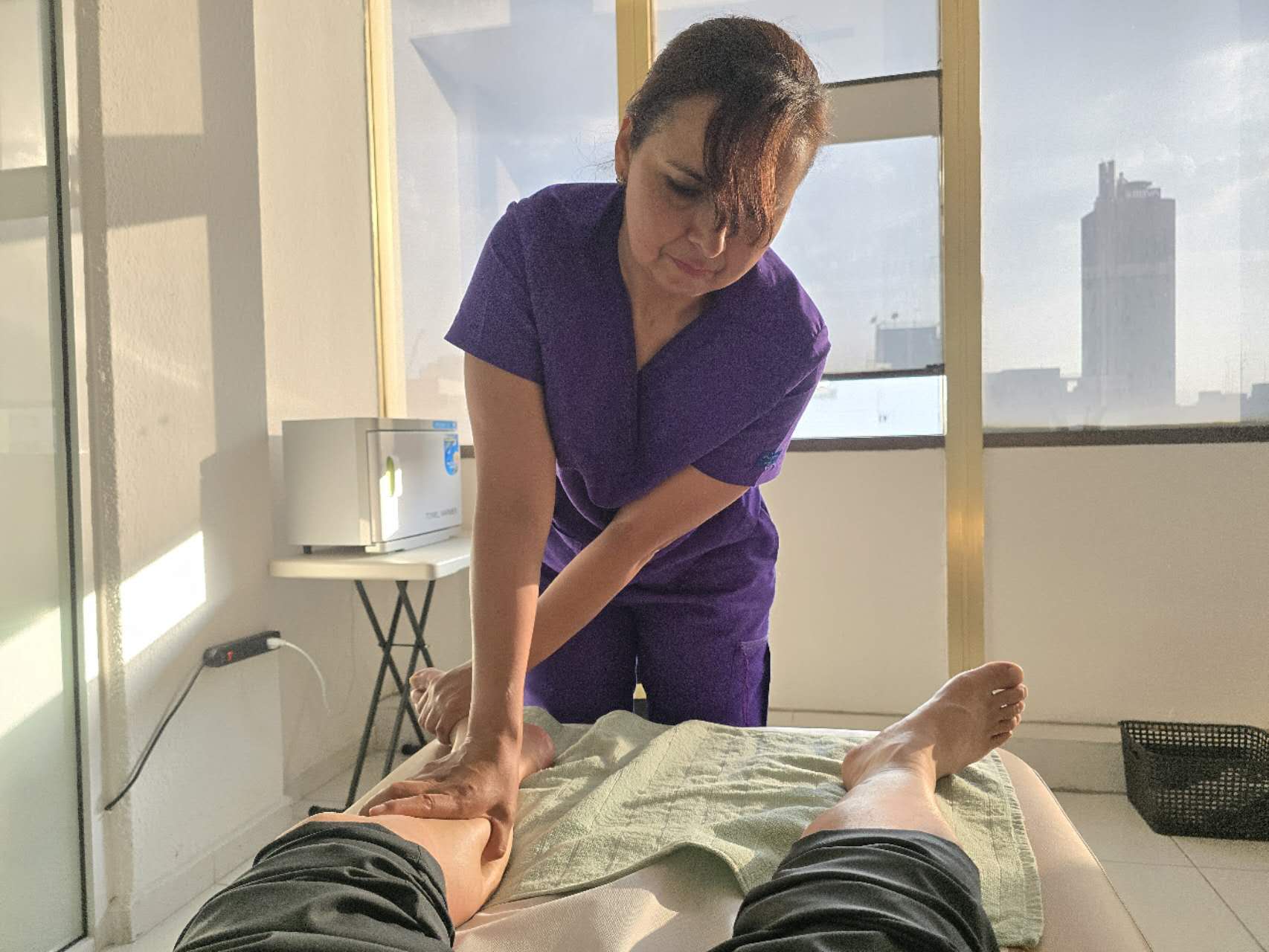
Reflexología Podal - Prostatitis
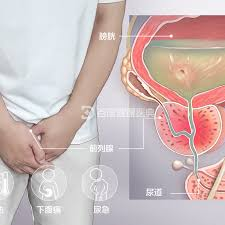
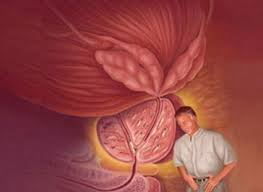
La prostatitis es una enfermedad común en los hombres. Puede ser causada por una infección bacteriana u otros factores, incluyendo prostatitis bacteriana aguda, prostatitis bacteriana crónica, prostatitis crónica (síndrome de dolor pélvico crónico), etc. Entre el 35% y el 50% de los hombres desde la adolescencia hasta la vejez se ven afectados por prostatitis. Una vida sexual impura, estar mucho tiempo sentado y hábitos alimentarios poco saludables, como beber en exceso y comer comida picante, pueden ser factores que inducen la prostatitis.
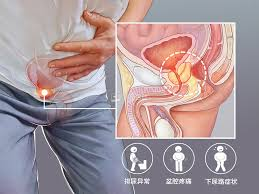
Los síntomas de la enfermedad son diversos y van desde dolor agudo, micción frecuente, disfunción sexual y trastornos mentales y psicológicos. La prostatitis bacteriana aguda a menudo se manifiesta como micción frecuente, urgencia, dolor ardiente en la uretra, etc., mientras que la prostatitis crónica (síndrome de dolor pélvico crónico) puede causar dolor y malestar a largo plazo en la zona pélvica, molestias uretrales al orinar, disfunción sexual y problemas mentales y psicológicos.
Los métodos de tratamiento varían según el tipo de enfermedad. La prostatitis bacteriana aguda suele responder bien a los fármacos antibacterianos y la inflamación se controla con la inyección intravenosa inmediata de antibióticos de amplio espectro. En el caso de la prostatitis bacteriana crónica, se seleccionan los antibióticos adecuados en función de los resultados del cultivo bacteriano y de las pruebas de sensibilidad a los fármacos. El tratamiento de la prostatitis crónica incluye ajustes del estilo de vida, farmacoterapia, psicoterapia, fisioterapia local, etc., principalmente para mejorar los síntomas, mejorar la calidad de vida y promover la recuperación de las funciones relacionadas.
La prostatitis es una enfermedad común. La clave está en la detección temprana y el diagnóstico preciso, para luego elegir el método de tratamiento más eficaz. Al mismo tiempo, ajustar el estilo de vida y los hábitos alimentarios, así como los exámenes físicos regulares, también son formas eficaces de prevenir y controlar la prostatitis.
Causas
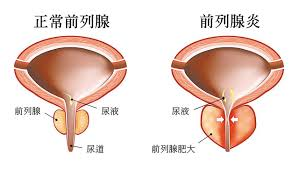
La prostatitis es causada por una infección por patógenos u otras razones.
La vida sexual irregular, el sedentarismo prolongado, el alcoholismo, la comida picante, etc. pueden ser los factores desencadenantes de la prostatitis.
Causas
Tipo I: prostatitis bacteriana aguda
La infección bacteriana es el principal factor patógeno.
La vía de infección puede ser una infección sanguínea, y las bacterias se retienen en la próstata a través de la circulación sanguínea, lo que provoca una reacción inflamatoria aguda de la próstata;
También puede infectarse de forma retrógrada a través de la uretra. Cuando el tracto urinario está bloqueado, la retención de orina, etc. provoca reflujo de orina, las bacterias en la orina refluyen a la próstata y causan prostatitis.
Tipo II: prostatitis bacteriana crónica
La infección por patógenos es el principal factor patógeno, principalmente la infección uretral retrógrada.
Tipo III: prostatitis crónica/síndrome de dolor pélvico crónico
Se desconoce la causa. La mayoría de los estudiosos creen que la causa principal puede ser una infección por patógenos, inflamación, disfunción urinaria, además, también puede ser el resultado de los efectos combinados de factores psicológicos, anomalías inmunológicas, etc.
Tipo IV: Prostatitis asintomática
Dado que no presenta síntomas clínicos, a menudo se descubre durante los exámenes de otras enfermedades, por lo que faltan datos de investigación sobre su patogenia. Puede compartir algunas de las mismas causas que la prostatitis tipo III.
Factores predisponentes
-Vida sexual irregular
Una vida sexual excesiva o la masturbación pueden provocar que la próstata se encuentre en un estado de congestión y edema repetidos y continuos; y un largo período de interrupción de la vida sexual hará que el líquido prostático y los metabolitos se descarguen de forma irregular.
Además, "retener la eyaculación" o interrumpir las relaciones sexuales antes de alcanzar el orgasmo y la eyaculación para evitar la eyaculación, lo que puede provocar una congestión crónica de la próstata. La congestión y el edema excesivos de la próstata favorecen que los patógenos infecten la uretra y se propaguen a través de ella hasta la próstata.
-Relaciones sexuales impuras
Los patógenos causan uretritis a través de las relaciones sexuales y luego infectan la próstata.
-Estilo de vida poco saludable
Permanecer sentado o montado durante mucho tiempo puede comprimir la próstata, lo que provoca congestión y edema de la cavidad pélvica y la próstata, lo que puede provocar una acumulación local de metabolitos, obstrucción del conducto de la glándula prostática y una excreción deficiente del líquido prostático. -Hábitos alimentarios poco saludables
El alcoholismo y la ingesta de alimentos picantes e irritantes pueden provocar dilatación y congestión de los vasos sanguíneos de la uretra y la próstata, agravando las reacciones inflamatorias.
-Frío local
Puede provocar trastornos de la circulación sanguínea y espasmos musculares en la zona pélvica, favoreciendo la aparición de los síntomas.
Síntomas
-Prostatitis bacteriana aguda, que suele presentarse de forma repentina, se manifiesta como dolor agudo, acompañado de síntomas relacionados con la micción anormal y fiebre.
-Prostatitis crónica (síndrome de dolor pélvico crónico), las manifestaciones clínicas son relativamente numerosas y complejas, principalmente dolor pélvico, micción frecuente, dolor urinario, secreciones uretrales anormales, disfunción sexual, trastornos mentales y psicológicos y otros síntomas.
-Prostatitis tipo IV (prostatitis asintomática) carece de síntomas clínicos evidentes.
Síntomas típicos
-Prostatitis bacteriana aguda
-Síntomas sistémicos
-Fiebre repentina, escalofríos, fatiga, debilidad, anorexia, náuseas, vómitos, etc.
Síntomas locales
-Presión intensa en el perineo o la zona suprapúbica, que se extiende a la cintura, abdomen inferior, espalda, muslos, etc., lo que hace que el paciente se sienta inquieto.
Síntomas del tracto urinario
- Micción frecuente, urgencia, ardor uretral, goteo de orina y secreciones uretrales purulentas, edema del cuello de la vejiga pueden causar micción deficiente, adelgazamiento o interrupción del flujo de orina y retención urinaria grave.
Síntomas rectales
- Distensión rectal, urgencia o dificultad para defecar, secreción blanca de la uretra durante la defecación.
- Prostatitis bacteriana crónica y prostatitis crónica (síndrome de dolor pélvico crónico)
Síntomas sistémicos
- No es evidente, la prostatitis bacteriana crónica puede manifestarse como infecciones recurrentes del tracto urinario y puede aparecer fiebre cuando se produce prostatitis aguda.
Síntomas de dolor pélvico
Dolor y malestar en el área pélvica, que es una hinchazón generalizada y poco clara y un dolor sordo, como el perineo, el hueso suprapúbico, el área perianal, el escroto, la raíz interna del muslo, el pene y otras partes.
Síntomas del tracto urinario inferior
Micción frecuente, urgencia, dolor, molestias uretrales o sensación de ardor al orinar, espera para orinar y micción incompleta, etc.
Síntomas del sistema reproductor
Se manifiestan principalmente como disminución de la libido, disfunción eréctil, eyaculación precoz, etc.
Síntomas del sistema nervioso
Tensión mental excesiva, ansiedad, mareos frecuentes, pérdida de memoria, desconfianza, insomnio, depresión, etc. Los pacientes también suelen ser demasiado sensibles al malestar físico y al dolor.
Síntomas acompañantes
-Prostatitis bacteriana aguda
Si se acompaña de cistitis aguda, epididimitis, vesiculitis seminal y conducto deferente, pueden aparecer síntomas correspondientes, como la vesiculitis seminal puede causar hematospermia.
-Prostatitis crónica
A menudo se acompaña de secreción uretral blanca, fatiga, insomnio, mareos, etc.
Tratamiento médico
Cuando se presenta dolor o malestar en la zona pélvica, con o sin micción frecuente, urgencia, dolor, micción incompleta, secreción blanca de la uretra y algunas personas también pueden tener fiebre alta repentina, debe acudir al hospital para recibir tratamiento a tiempo.
Proceso de diagnóstico
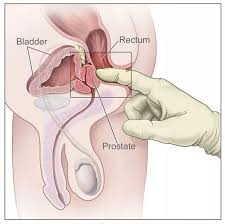
El médico puede hacer un diagnóstico basándose en la historia clínica del paciente, tacto rectal, sangre, orina, examen de líquido prostático (el líquido prostático está prohibido cuando se presenta fiebre) y cultivo bacteriano.
Departamentos a tratar
-Urología, andrología.
-Si los síntomas neurológicos son graves, se puede realizar la derivación al Departamento de Psiquiatría y Psicología.
- Exámenes relacionados
Prostatitis bacteriana aguda
-Tacto rectal
La próstata está hinchada, superficie lisa, dolor evidente, aumento de la temperatura local, etc. Si se forma un absceso, se puede sentir una sensación de fluctuación. La propagación de la infección puede causar vesiculitis seminal, epididimitis y bacteriemia, por lo que el masaje o punción de próstata está contraindicado.
- Análisis de sangre de rutina
Indica leucocitosis y se analiza el hemocultivo para detectar bacteriemia.
- Análisis de orina
Leucocitosis común, el cultivo de orina a menudo muestra crecimiento bacteriano.
Prostatitis crónica
-Examen digital rectal
La próstata está llena, agrandada, blanda y levemente sensible. En pacientes con una evolución prolongada de la enfermedad, la próstata se encoge, se endurece, es irregular y tiene pequeños nódulos.
-Examen del líquido prostático
Los leucocitos en el líquido prostático >10/campo de visión de gran aumento indican inflamación de la próstata (posiblemente prostatitis bacteriana crónica o prostatitis tipo IIIA, es decir, síndrome de dolor pélvico crónico inflamatorio), pero se requiere un cultivo bacteriano para el siguiente paso de tipificación;
Si el examen del líquido prostático es normal y no hay crecimiento bacteriano en el cultivo, se denomina prostatitis;
La cantidad de cuerpos de lecitina no tiene un significado claro y no se recomienda prestar atención a este indicador;
La cantidad de leucocitos en el líquido prostático de pacientes con síndrome de dolor pélvico crónico no tiene nada que ver con la gravedad de los síntomas y no debe usarse como indicador para evaluar el efecto del tratamiento.
Examen de cultivo de líquido prostático y orina segmentada "método de las cuatro tazas"
Recolecte orina segmentada y líquido prostático para cultivo bacteriano para diagnosticar prostatitis bacteriana crónica.
Examen auxiliar
El examen de ultrasonido no es la base para el diagnóstico de prostatitis. Su importancia es el diagnóstico diferencial para excluir otras enfermedades. Además, la urodinámica, la cistoscopia, la tomografía computarizada, la resonancia magnética (MRI), etc., se pueden utilizar como métodos de diagnóstico diferencial para la prostatitis.
Diagnóstico diferencial
-Pielonefritis aguda
Inflamación bacteriana aguda de la pelvis renal y del parénquima renal. La pielonefritis aguda es más común en mujeres que en hombres; el dolor lumbar se presenta principalmente en una zona renal y el dolor a la percusión es evidente, mientras que la prostatitis aguda es más evidente en la micción frecuente, la urgencia y el dolor.
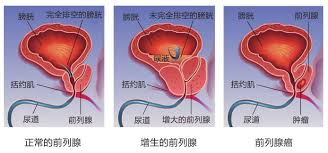
-Hiperplasia prostática benigna
Generalmente, los síntomas aparecen después de los 50 años, siendo la disuria progresiva la manifestación típica, y la micción frecuente es el síntoma temprano más común. El examen rectal de la hiperplasia prostática puede mostrar agrandamiento de ambos lóbulos de la próstata o desaparición del surco medio, mientras que la prostatitis es plenitud de la próstata y dolor a la palpación.
-Cáncer de próstata
Ocurre principalmente después de los 50 años. El examen rectal muestra que la superficie de la glándula es irregular y se pueden palpar nódulos duros como piedras. Sin embargo, a veces la prostatitis crónica también puede tener una textura dura y nódulos en la próstata durante el examen rectal. El antígeno prostático específico (PSA) está elevado y los exámenes de ecografía B, resonancia magnética (IRM), etc. pueden revelar lesiones ocupantes de espacio, que pueden identificarse mediante los exámenes anteriores combinados con una biopsia de próstata.

Tratamiento
La prostatitis bacteriana aguda responde bien a los fármacos antibacterianos, y se deben inyectar antibióticos de amplio espectro por vía intravenosa de inmediato para controlar rápidamente la inflamación.
Para la prostatitis bacteriana crónica, se deben seleccionar los antibióticos apropiados según los resultados del cultivo bacteriano y las pruebas de sensibilidad a los fármacos.
El tratamiento de la prostatitis crónica (síndrome de dolor pélvico crónico) incluye el ajuste del estilo de vida, la terapia farmacológica, la psicoterapia, la fisioterapia local, etc., principalmente con el propósito de mejorar los síntomas, mejorar la calidad de vida y promover la recuperación de las funciones relacionadas.
-Tratamiento agudo
La prostatitis bacteriana aguda debe tratarse con fármacos antibacterianos para controlar la infección, tratamiento antipirético y analgésico, y se anima a los pacientes a descansar activamente en la cama y beber más agua.
Algunos pacientes con retención urinaria pueden utilizar cateterismo o punción vesical suprapúbica para drenar la orina.
Se forman muy pocos abscesos prostáticos, que requieren incisión quirúrgica y drenaje.
Se debe tener en cuenta que la etapa aguda debe tratarse a fondo, de lo contrario es fácil que se convierta en prostatitis crónica.
- Cateterismo
Método de inserción de un catéter en la uretra para descomprimir la vejiga.
Cistostomía suprapúbica
La cistostomía suprapúbica es adecuada para pacientes con retención urinaria que tienen contraindicaciones para el cateterismo transuretral o que han fallado en la intubación. En comparación con el cateterismo transuretral, este método tiene una incidencia relativamente baja de infección del tracto urinario y no causa estenosis uretral. Otra ventaja es que el catéter se puede sujetar sin quitarlo para intentar orinar, evitando así la necesidad de cateterizar nuevamente después de un fracaso en la micción.
Tratamiento general
Dejar de beber y comer alimentos picantes e irritantes;
Evitar retener la orina, permanecer sentado durante períodos prolongados y prestar atención al reposo en cama;
Realizar un tratamiento para ablandar las heces;
Realizar un masaje de próstata regular (no permitido para pacientes con prostatitis aguda);
Prestar atención a mantener el calor y, si es necesario, realizar compresas calientes perineales, baños de asiento con agua caliente, fisioterapia, etc. bajo la guía de un médico;
Obtenga más información y comprenda los conocimientos relevantes sobre el diagnóstico y el tratamiento de la prostatitis, y brinde asesoramiento psicológico y conductual cuando sea necesario.
-Tratamiento farmacológico
Según la clasificación de la prostatitis, los puntos clave del tratamiento farmacológico son los siguientes.
-Prostatitis bacteriana aguda (tipo I)
Inyectar inmediatamente por vía intravenosa antibióticos de amplio espectro para controlar rápidamente la inflamación. Los antibióticos de uso común incluyen penicilina de amplio espectro, cefalosporinas de tercera generación, aminoglucósidos o fluoroquinolonas.
Después de obtener los resultados del cultivo bacteriano del paciente, elegir un antibiótico sensible más específico para el tratamiento intravenoso.
Una vez que los síntomas de la fiebre mejoren, se pueden utilizar antibióticos orales para el tratamiento.
Puede utilizar medicamentos en combinación o de forma alternada para prevenir la resistencia a los medicamentos.
Los antibióticos deben utilizarse según lo prescrito por el médico, en dosis suficientes y durante un ciclo de tratamiento suficiente, y evitar el abuso.
-Prostatitis crónica
Tipo II: prostatitis bacteriana crónica
Según los resultados del cultivo bacteriano y las pruebas de sensibilidad a los medicamentos, elegir antibióticos sensibles para controlar la inflamación. Los antibióticos de uso común incluyen levofloxacino, azitromicina, doxiciclina, etc.
Bloqueadores de los receptores α orales (como el clorhidrato de tamsulosina y la doxazosina) durante 6 a 12 semanas para mejorar el dolor o los síntomas de micción. Durante el tratamiento, se debe prestar atención a las reacciones adversas como mareos e hipotensión postural causadas por dichos medicamentos.
Los medicamentos antiinflamatorios no esteroides (como el celecoxib) son medicamentos empíricos que ayudan a mejorar los síntomas de dolor o malestar.
Los pacientes con síntomas de vejiga hiperactiva y sin obstrucción del tracto urinario pueden ser tratados con bloqueadores de los receptores M tolterodina o solifenacina para mejorar los síntomas de micción.
Tipo III: Prostatitis crónica/síndrome de dolor pélvico crónico
Bloqueadores de los receptores α orales (como el clorhidrato de tamsulosina) durante 6 a 12 semanas para mejorar los síntomas de micción obstructiva o los síntomas de dolor.
Medicamentos a base de hierbas (como el extracto de fruto de saw palmetto) durante 6 a 12 semanas para mejorar el dolor y los síntomas de micción.
Los pacientes con síntomas de vejiga hiperactiva y sin obstrucción del tracto urinario pueden ser tratados con bloqueadores de los receptores M tolterodina o solifenacina para mejorar los síntomas de micción.
Los síntomas neurológicos como la depresión, la ansiedad y el síndrome de fatiga crónica pueden tratarse con antidepresivos (como fluoxetina, etc.) y ansiolíticos (como diazepam, etc.). Los antiinflamatorios no esteroides pueden ayudar a mejorar el dolor o el malestar.
Además, después de una clasificación adicional de la prostatitis tipo III, las opciones de tratamiento son diferentes.
Tipo IIIA: se refiere al síndrome de dolor pélvico crónico inflamatorio, con un aumento en el número de glóbulos blancos en el examen microscópico del líquido prostático/semen/orina después del masaje de próstata. La fluoroquinolona y otros medicamentos antibacterianos pueden tomarse empíricamente durante 2 a 4 semanas, y pueden continuar si se alivian los síntomas, con un ciclo total de 4 a 6 semanas. Si el tratamiento completo sigue sin dar resultado, no se deben utilizar medicamentos antibacterianos a menos que el paciente tenga una infección del tracto urinario.
Tipo IIIB: No se recomiendan medicamentos antibacterianos para el tratamiento.
Tipo IV: Prostatitis asintomática
Generalmente no se requiere tratamiento.
Si se combina con infertilidad o antígeno prostático específico (PSA) sérico elevado, se puede recurrir al método de tratamiento para la prostatitis tipo III.
- Tratamiento quirúrgico
Prostatitis bacteriana aguda
La prostatitis bacteriana aguda complicada con absceso, cuando el tratamiento conservador es ineficaz, debe incidirse y drenarse a través del recto o la uretra; si el absceso está confinado a la próstata, se puede utilizar la uretroscopia para realizar la punción y el drenaje de la próstata, y luego inyectar antibióticos de amplio espectro.
Incisión y drenaje
La incisión y el drenaje transrectal de la próstata son adecuados para los abscesos alrededor del lóbulo posterior. La incisión y el drenaje se realizan debajo de la mucosa rectal, donde la fluctuación es obvia durante el examen digital y el pus sale por el ano.
La operación es simple y conveniente, con poco daño, drenaje completo y sin necesidad de cambio de apósito después de la cirugía. Sin embargo, en casos raros, si la operación no es cuidadosa, puede causar fístula urinaria. Punción y drenaje de próstata
Perforar el tejido prostático a través del recto o el perineo para absorber el pus, lo que no solo puede extraer tejido para el examen citológico, sino que también desempeña un papel en el drenaje del pus y puede inyectar medicamentos locales en el tejido prostático.
-Prostatitis crónica
La prostatitis crónica en sí no requiere cirugía. El tratamiento quirúrgico solo se realiza cuando la prostatitis crónica se combina con otras enfermedades de la próstata y existen indicaciones quirúrgicas, como cuando se combina con hiperplasia de próstata.
Los métodos quirúrgicos comunes incluyen la electrorresección transuretral de la próstata, etc.
Electrorresección transuretral de la próstata
El propósito de la cirugía es eliminar el tejido prostático hiperplásico. Es adecuado para pacientes con hiperplasia de próstata que tienen indicaciones quirúrgicas y tiene un buen efecto en la mejora de los síntomas de la hiperplasia de próstata.
No se recomienda utilizar esta cirugía solo para el tratamiento de la prostatitis.
Tratamiento de la medicina tradicional china
No existe evidencia médica basada en evidencia que respalde el tratamiento de esta enfermedad con la medicina tradicional china, pero algunos métodos de tratamiento o medicamentos de la medicina tradicional china pueden aliviar los síntomas. Se recomienda acudir a una institución médica regular y recibir tratamiento bajo la guía de un médico.
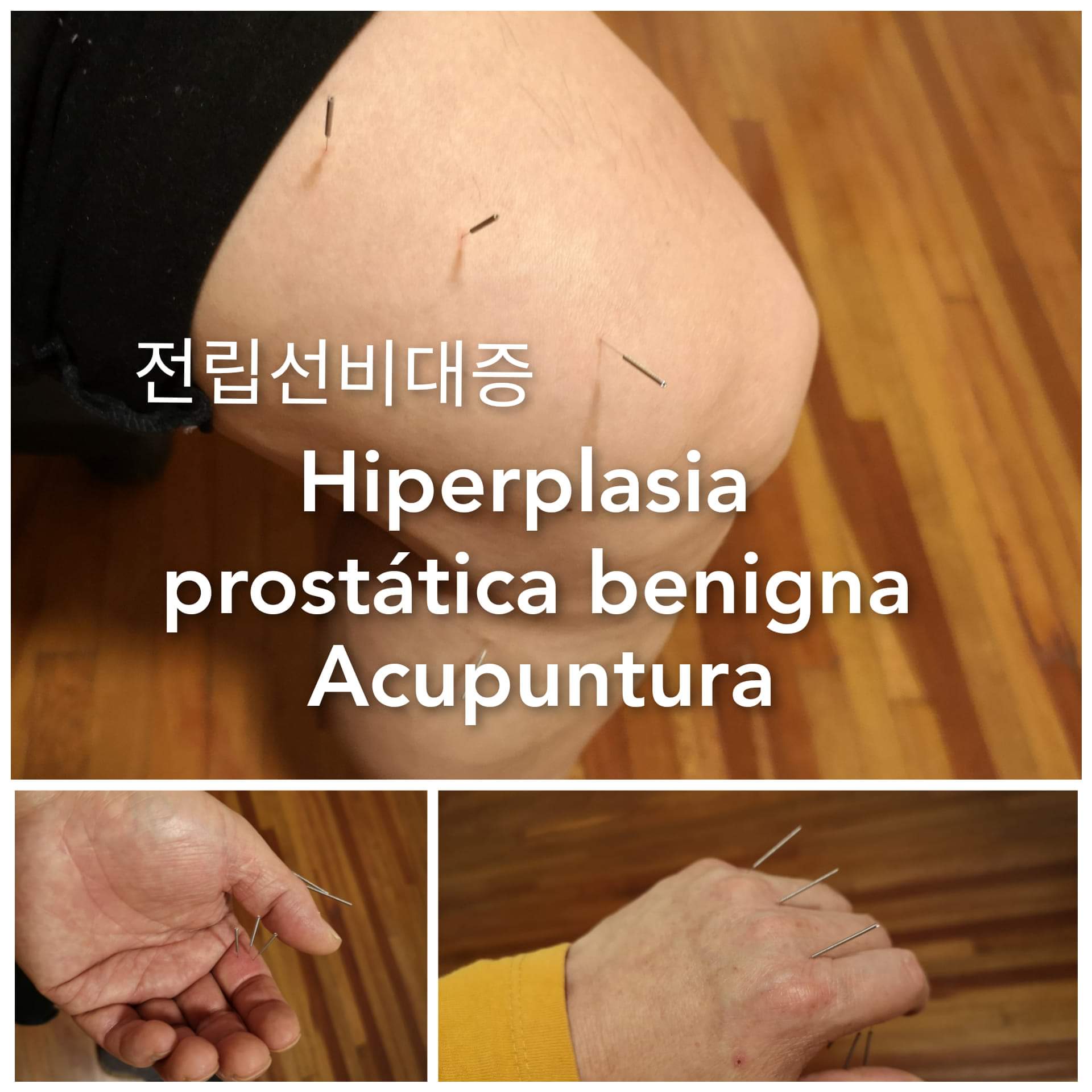
Además de los medicamentos orales, los tratamientos externos comúnmente utilizados incluyen supositorios anales, baños de medicina china, aplicaciones externas de medicina china, enemas de retención, acupuntura, etc.
Otros tratamientos
Masaje de próstata
Puede promover la circulación sanguínea de la próstata, el vaciado y drenaje de la glándula y aumentar la concentración local del fármaco. Por lo tanto, se recomienda como terapia adyuvante para la prostatitis crónica. Combinado con otros tratamientos, puede acortar eficazmente el curso de la enfermedad.
Para los pacientes que no pueden tolerar el masaje de próstata, la eyaculación regular también puede lograr el mismo efecto terapéutico.
No se recomienda para pacientes con prostatitis bacteriana aguda.
Terapia de calor físico
Utiliza principalmente los efectos térmicos producidos por diversos medios físicos como microondas, radiofrecuencias y láseres para acelerar la circulación sanguínea de los tejidos de la próstata, promover el metabolismo y es beneficiosa para la antiinflamatoria y eliminar el edema tisular, aliviar los espasmos musculares del suelo pélvico, etc.
Tiene un cierto efecto en el alivio de los síntomas a corto plazo, pero el efecto a largo plazo no está claro.
No se recomienda para personas solteras y sin hijos.
Terapia de biorretroalimentación y estimulación eléctrica
Métodos como el entrenamiento de los músculos perineales y el entrenamiento de la función de la vejiga pueden mejorar y coordinar el estado funcional de los músculos y órganos locales, tienen un efecto terapéutico sinérgico sobre la prostatitis crónica y pueden mejorar significativamente los síntomas de dolor y malestar y mejorar la calidad de vida.
Tratamiento psicológico
La intervención psicológica puede mejorar los síntomas de dolor y la calidad de vida de los pacientes.
Se recomienda que los pacientes con prostatitis crónica que presenten un malestar psicológico evidente implementen un tratamiento psicológico específico.
Pronóstico
El pronóstico de los diferentes tipos de prostatitis varía, pero la mayoría de los pacientes tienen un buen pronóstico después de un tratamiento oportuno y eficaz.
Curabilidad
-La prostatitis bacteriana aguda/crónica tiene un buen pronóstico. La mayoría de los pacientes se pueden curar después de un tratamiento oportuno. Un número muy pequeño de pacientes con abscesos prostáticos también se pueden curar después de una incisión y drenaje.
-La prostatitis bacteriana aguda puede convertirse en prostatitis crónica si no se trata a fondo.
-La prostatitis crónica (síndrome de dolor pélvico crónico) también se puede curar, pero los síntomas de algunos pacientes pueden reaparecer, lo que está estrechamente relacionado con el estilo de vida y los hábitos laborales del paciente. Algunos pacientes están deprimidos o ansiosos, y el dolor local es una manifestación secundaria. Estas razones hacen que a algunos pacientes les resulte difícil "curar" sus síntomas. Para estos pacientes, el tratamiento general y el tratamiento psicológico son más importantes que el tratamiento farmacológico.
Complicaciones
-Prostatitis aguda
Retención urinaria aguda
El paciente experimentará de forma repentina síntomas relacionados con la distensión de la vejiga debido a la incapacidad para orinar. Esto se debe a que la prostatitis aguda causa congestión local e hinchazón, lo que puede causar dificultades para orinar después de comprimir la uretra, y en casos graves puede provocar retención urinaria aguda.
Vesiculitis seminal aguda, epididimitis o conducto deferente
La inflamación aguda de la próstata puede extenderse fácilmente a la vesícula seminal, causando vesiculitis seminal aguda, a menudo con dolor perineal y hematospermia. Al mismo tiempo, las bacterias pueden retrogradar a través de los vasos linfáticos hacia la capa de la pared y la vaina externa del conducto deferente, causando conducto deferente o epididimitis, esta última se manifiesta por enrojecimiento local, hinchazón y nódulos duros en el epidídimo, y dolor a la palpación. Disfunción sexual
La congestión y el edema de la prostatitis pueden afectar la función sexual del paciente, manifestándose como disminución de la libido, disfunción eréctil, erección dolorosa del pene, dolor en las relaciones sexuales, dolor en la eyaculación, hematospermia, etc.
-Prostatitis crónica
-Vesiculitis seminal crónica
La vesiculitis seminal crónica es la complicación más común de la prostatitis crónica.
Lesiones inflamatorias crónicas causadas por la infección de la vesícula seminal.
La vesícula seminal está anatómicamente cerca de la próstata, conducto deferente, uretra, vejiga, etc. y se comunican entre sí, por lo que la vesiculitis seminal suele ser secundaria a la infección del sistema uretrogenital.
Las dos suelen existir al mismo tiempo y se afectan entre sí, lo que puede dar lugar a disfunción sexual.
-Disfunción eréctil
La prostatitis puede afectar a la función sexual. Por otro lado, en los pacientes con prostatitis crónica, sus factores mentales y psicológicos pueden afectar a la vida de pareja y provocar problemas de erección.
- Infertilidad
La inflamación del sistema reproductor masculino, incluida la próstata, puede provocar infertilidad. Los pacientes con prostatitis crónica (síndrome de dolor pélvico crónico) pueden experimentar temporalmente una disminución de la calidad del semen, pero no hay evidencia de que esto cause infertilidad a largo plazo.
- Uretritis posterior
La prostatitis crónica suele ir acompañada de uretritis posterior. Esto se debe a que la uretra pasa a través de la próstata. Cuando hay prostatitis, especialmente prostatitis causada por infección del tracto urinario, también invadirá la uretra en el área de la próstata, lo que provocará uretritis.
- Epididimitis
La prostatitis y la vesiculitis seminal existen al mismo tiempo, y la inflamación puede invadir el epidídimo y causar inflamación crónica del epidídimo.
-Varios tipos de cistitis
La inflamación de la glándula prostática puede extenderse a la vejiga, lo que provoca varios tipos de cistitis. Cuando se presenta prostatitis aparecen síntomas evidentes de irritación del sistema urinario, que en la mayoría de los casos son causados por cistitis concurrentes de diverso tipo.
Cuidado diario de la salud
- Cumplir con el tratamiento. No cambiar el medicamento o el método de tratamiento de manera casual durante el tratamiento, ya que el alivio de los síntomas suele llevar un tiempo. El tratamiento inicial debe mantenerse durante más de 2 semanas y algunas infecciones necesitan de 8 a 12 semanas. Si el medicamento se cambia de manera casual, es fácil causar un desequilibrio bacteriano o resistencia al medicamento, lo que resulta en un tratamiento incompleto.
- Vida sexual regular, no contener la eyaculación, no masturbarse con frecuencia y evitar las relaciones sexuales impuras.
- Entender correctamente la prostatitis, mantener una buena actitud, reducir la presión psicológica, para no exagerar los síntomas, producir mareos, pérdida de memoria, ansiedad, sospecha, insomnio y otros síntomas.
- Beber más agua, orinar con frecuencia, mantener el movimiento intestinal suave, insistir en el baño de agua caliente o en la compresa caliente del perineo con una bolsa de agua caliente.
- Evitar fumar y beber, no comer alimentos picantes e irritantes. -Evite permanecer sentado durante mucho tiempo, evite andar en bicicleta durante períodos prolongados, insista en hacer ejercicio, preferiblemente trotar y hacer más ejercicio para la parte inferior del cuerpo, evite el ejercicio extenuante.
Tratamiento de acupuntura
Reflexología podal