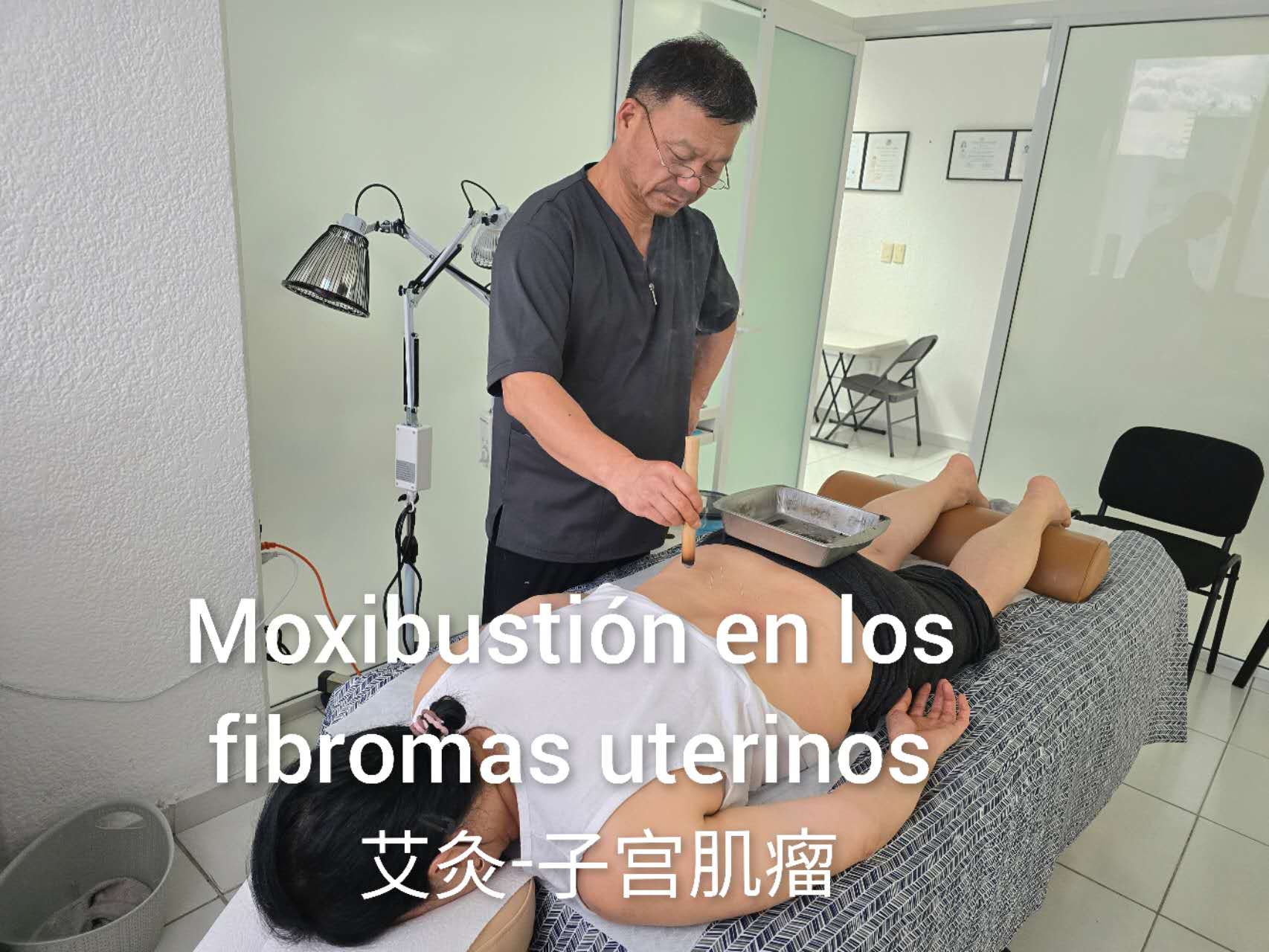
Tratamiento con moxibustión - Fibromas uterinos
Tratamiento con moxibustión - Fibromas uterinos
Los fibromas uterinos son crecimientos benignos en el útero que suelen aparecer durante los años fértiles. Los fibromas uterinos no son cáncer y rara vez se convierten en cáncer, ni aumentan el riesgo de otros cánceres en el útero. Los fibromas uterinos, también llamados leiomiomas o miomas,
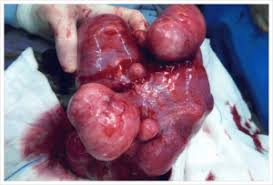
Pueden presentarse en cantidades y tamaños variables. Puede haber uno o más. Algunos son tan pequeños que son invisibles a simple vista, mientras que otros son tan grandes como un pomelo o incluso más grandes. Los fibromas uterinos grandes pueden causar deformación del interior y el exterior del útero. En casos extremos, algunos fibromas uterinos grandes llenan la pelvis o incluso el abdomen. Esto puede hacer que la paciente parezca embarazada.
Muchas personas desarrollan fibromas uterinos en algún momento de sus vidas, pero es posible que no lo sepan porque a menudo no presentan síntomas. Los profesionales de la salud pueden descubrir los fibromas accidentalmente durante un examen pélvico o una ecografía del embarazo.
Síntomas
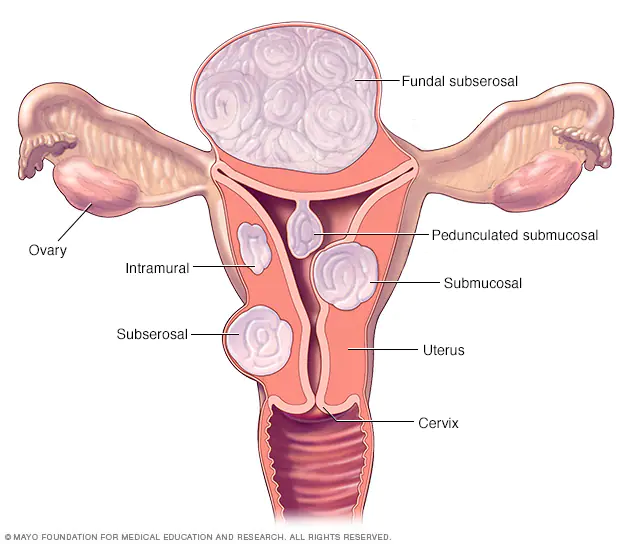
Diferentes tipos de fibromas uterinos y su ubicación
-Ubicación de los fibromas
-Abrir cuadro de diálogo emergente
Muchas mujeres con fibromas uterinos no presentan síntomas. En el caso de las que sí los presentan, sus síntomas se ven afectados por la ubicación, el tamaño y la cantidad de fibromas.
Los síntomas más comunes de los fibromas uterinos incluyen:
-Sangrado abundante o menstruación dolorosa.
-Menstruación más prolongada o frecuente.
-Presión o dolor pélvico.
-Orinar con mayor frecuencia o dificultad.
-Área abdominal agrandada.
-Estreñimiento.
-Dolor en el estómago o la parte baja de la espalda, o dolor durante las relaciones sexuales.
En raras ocasiones, los fibromas uterinos pueden causar dolor agudo cuando pierden el suministro de sangre y comienzan a morir.
Los fibromas uterinos suelen clasificarse por su ubicación. Los fibromas intramurales crecen en la pared muscular del útero. Los fibromas submucosos crecen en la cavidad uterina. Los fibromas subserosos se forman en el exterior del útero.

Cuándo consultar a un médico
Consulte a su médico si tiene:
-Dolor pélvico que no desaparece.
-Períodos menstruales intensos o dolorosos que limitan su desempeño sexual.
-Manchado o sangrado intenso entre períodos.
-Dificultad para vaciar la vejiga.
-Cansancio y debilidad persistentes (que pueden ser un síntoma de anemia), lo que significa niveles bajos de glóbulos rojos.
Consulte a su médico de inmediato si tiene sangrado vaginal intenso o dolor pélvico intenso que comienza de repente.
Causas
Se desconoce la causa exacta de los fibromas uterinos. Sin embargo, pueden estar involucrados varios factores:
-Cambios genéticos.
Muchos fibromas uterinos contienen cambios genéticos que son diferentes a los de las células musculares uterinas normales.
-Hormonas.
Durante cada ciclo menstrual, el tejido que recubre el útero se engrosa en respuesta a dos hormonas llamadas estrógeno y progesterona en preparación para el embarazo. Estas hormonas también parecen promover el crecimiento de los fibromas uterinos.
La cantidad de células que se unen al estrógeno y la progesterona es mayor en los fibromas uterinos que en las células musculares uterinas normales. Los fibromas uterinos tienden a encogerse después de la menopausia porque los niveles hormonales disminuyen.
-Otros factores de crecimiento.
Las sustancias que ayudan al cuerpo a mantener los tejidos, como el factor de crecimiento similar a la insulina, pueden afectar el crecimiento de los fibromas uterinos.
-Matriz extracelular (ECM).
Esta sustancia es responsable de unir las células, actuando como mortero entre los ladrillos. La matriz extracelular aumenta en los fibromas uterinos, lo que les da un aspecto fibroso. La matriz extracelular también almacena factores de crecimiento y provoca cambios biológicos en las propias células.
Los médicos creen que los fibromas uterinos pueden desarrollarse a partir de una sola célula madre en el tejido muscular liso del útero. La célula se divide continuamente y, gradualmente, se convierte en una masa dura y gomosa que es diferente del tejido circundante.
Los fibromas crecen en diferentes patrones. Pueden crecer lenta o rápidamente, o pueden permanecer del mismo tamaño. Algunos fibromas tienen períodos de crecimiento repentino, mientras que otros se encogen por sí solos.
Los fibromas que se desarrollan durante el embarazo pueden encogerse o desaparecer después de que el embarazo termina, a medida que el útero vuelve a su tamaño normal.
Factores de riesgo
Se conocen pocos factores de riesgo de los fibromas uterinos, aparte de estar en edad fértil. Entre ellos se incluyen:
-Raza.
Todas las mujeres en edad fértil pueden desarrollar fibromas uterinos. Sin embargo, las personas de raza negra tienen más probabilidades de desarrollar fibromas uterinos que otros grupos raciales. Las personas de raza negra desarrollan fibromas uterinos a una edad más temprana que las personas de raza blanca. Las personas de raza negra también pueden tener más fibromas uterinos o fibromas uterinos más grandes y síntomas más graves que las personas de raza blanca.
-Antecedentes familiares.
Si su madre o hermana ha tenido fibromas uterinos, usted tiene un mayor riesgo de padecerlos.
-Otros factores.
Los siguientes factores pueden aumentar el riesgo de padecer fibromas uterinos: haber tenido la menstruación antes de los 10 años, la obesidad, los niveles bajos de vitamina D, una dieta rica en carnes rojas y baja en verduras, frutas y productos lácteos, y el consumo de alcohol, incluida la cerveza.
Complicaciones
Los fibromas uterinos no suelen poner en riesgo la vida, pero pueden ser dolorosos y provocar complicaciones, como un recuento bajo de glóbulos rojos (anemia). La anemia puede hacer que te sientas cansada debido a la pérdida abundante de sangre. Si tienes sangrado abundante durante tus períodos menstruales, tu médico puede recomendarte suplementos de hierro para prevenir o controlar la anemia. A veces, las personas con anemia necesitan recibir sangre de un donante (una transfusión) porque han perdido mucha sangre.
Embarazo y fibromas
Los fibromas uterinos por lo general no afectan el embarazo, pero algunos, especialmente los de tipo submucoso, pueden causar infertilidad o pérdida del embarazo.
Los fibromas uterinos también pueden aumentar el riesgo de ciertas complicaciones del embarazo, como:
- Desprendimiento de la placenta, cuando el órgano que lleva oxígeno y nutrientes al bebé (la placenta) se separa del revestimiento del útero.
- Restricción del crecimiento fetal, cuando el bebé no nacido no crece como se esperaba.
- Parto prematuro, cuando el bebé nace demasiado pronto, antes de la semana 37 de embarazo.
Prevención
Los investigadores siguen estudiando las causas de los fibromas uterinos. Sin embargo, se necesita más investigación sobre cómo prevenir la enfermedad. Es posible que los fibromas uterinos no se puedan prevenir. Sin embargo, solo un pequeño porcentaje de estos tumores requieren tratamiento.
Puede reducir el riesgo de fibromas uterinos llevando un estilo de vida más saludable. Intente mantener un peso saludable. Haga ejercicio con regularidad. Siga una dieta equilibrada con abundantes frutas y verduras.
Algunos estudios sugieren que las píldoras anticonceptivas o las píldoras anticonceptivas de acción prolongada que solo contienen progestina pueden reducir el riesgo de fibromas uterinos. Sin embargo, el uso de píldoras anticonceptivas antes de los 16 años puede aumentar el riesgo.
Tratamiento de acupuntura: fibromas uterinos
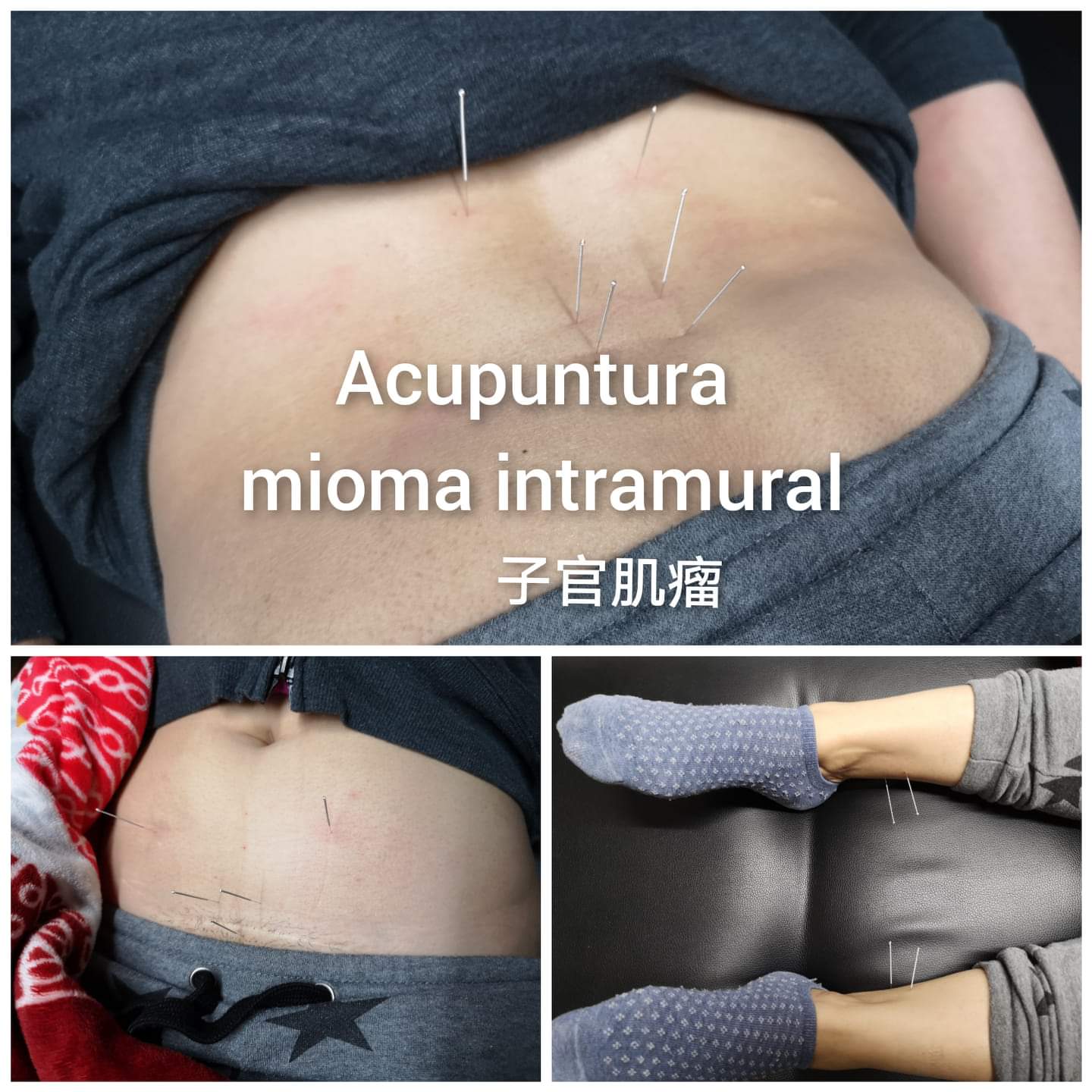
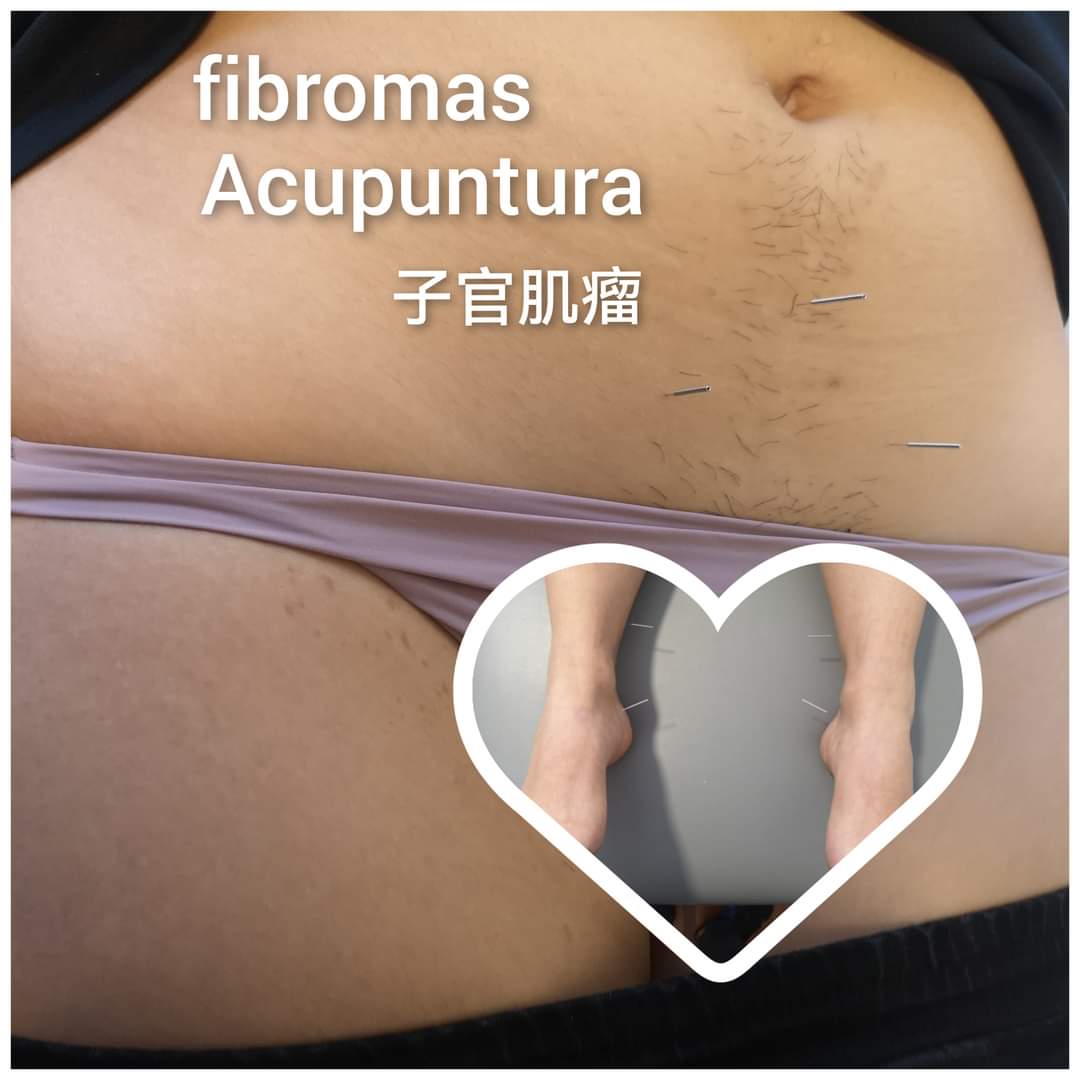
Tratamiento de moxibustión: fibromas uterinos