Tratamiento de masaje Tuina - Dolor de hombros, cuello y espalda alta

Dolor de hombros, cuello y espalda alta
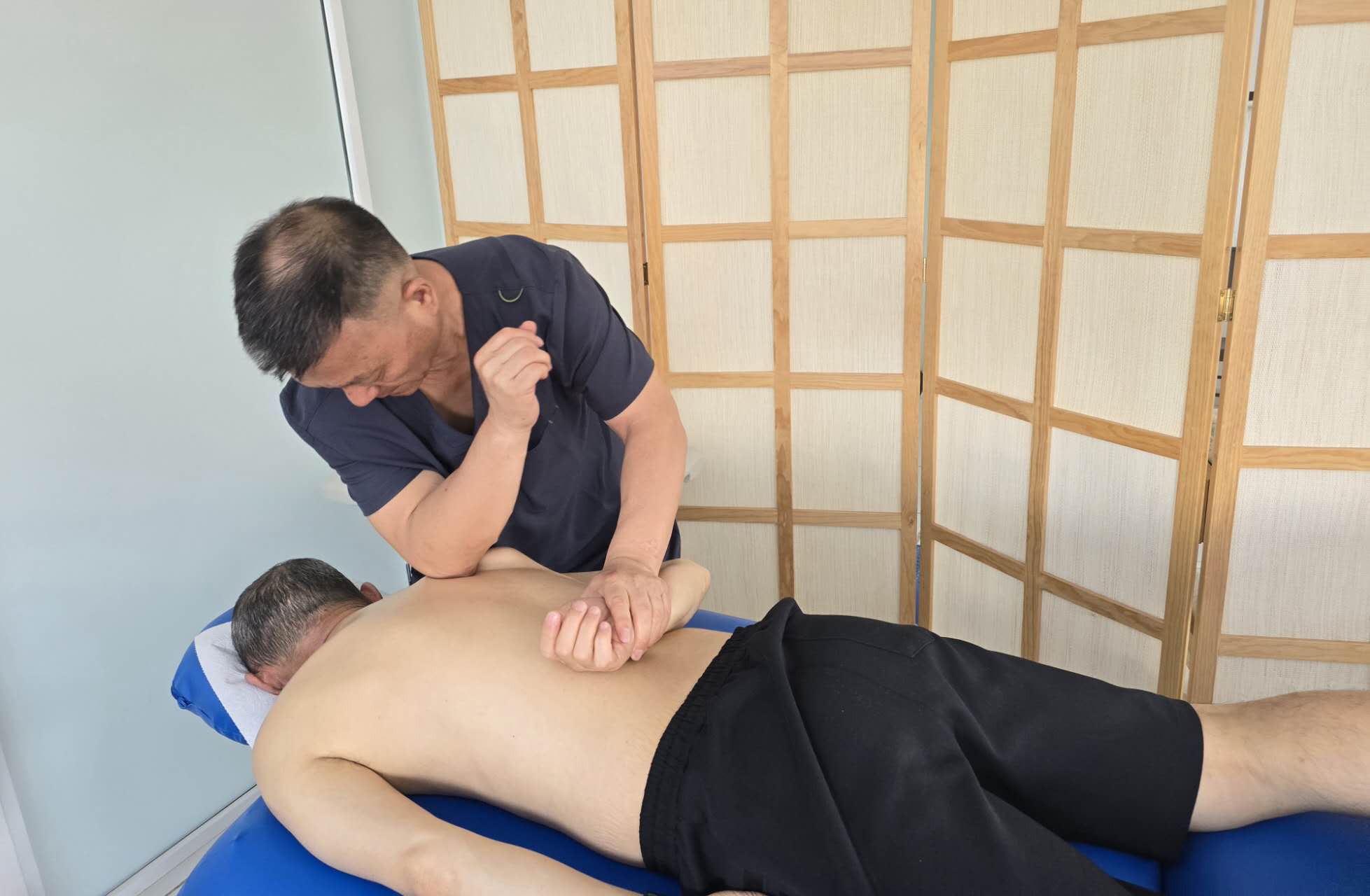
Lingling trabaja de nueve a cinco en una oficina. Recientemente, ha estado ocupada con proyectos e incluso trabaja horas extra en la empresa hasta las 10 de la noche. Ni siquiera tiene tiempo para hacer ejercicio. Cuando llega a casa, solo quiere tumbarse en la cama y navegar por su teléfono, y luego quedarse dormida. Cuando se levantó ese día, Lingling sintió que tenía el cuello muy rígido y que le costaba moverse de izquierda a derecha, e incluso le dolía. Lingling pensó que probablemente se trataba solo de rigidez de cuello, por lo que no se lo tomó en serio y continuó trabajando, pero los síntomas no mostraron signos de alivio. En cambio, el dolor se extendía desde el hombro, el cuello y la parte superior de la espalda hasta la parte interna del omóplato. El dolor ha afectado gravemente la vida y el trabajo de Lingling, y finalmente Lingling decidió ir a la clínica de rehabilitación en busca de ayuda.
Causas del dolor de hombros y cuello
El dolor musculoesquelético en hombros y cuello es bastante común y es la cuarta enfermedad más común en el mundo. Según las estadísticas, entre el 30% y el 50% de las personas sufren dolor de hombros y cuello, especialmente los trabajadores de oficina que pasan mucho tiempo sentados frente al ordenador. Más de la mitad de ellos sufren dolor de hombros y cuello en el plazo de un año.
Aunque el dolor de hombros y cuello no suele ser mortal, es un problema que merece atención y que provoca malas condiciones de trabajo e incluso el abandono prematuro del trabajo. En particular, si los trabajadores de oficina jóvenes y de mediana edad no prestan atención al dolor ocasional de hombros y cuello, puede convertirse en un dolor crónico, que afecta al trabajo y a la vida a largo plazo, y también interfiere en el sueño y la calidad de vida.
La causa más importante del dolor de hombros y cuello es la rigidez miofascial provocada por mantener la misma postura durante mucho tiempo. Hay que recordar que existen muchas razones para el dolor de hombros y cuello, y no son necesariamente problemas musculares. Las posibles causas incluyen:
-Fascia muscular:
Muchos músculos de la parte posterior de la cabeza, el cuello y la parte interna del omóplato están interconectados, por lo que la zona de dolor suele ser muy amplia. Una postura incorrecta provoca una presión excesiva sobre la fascia muscular, lo que provoca daños, que es la causa más común de dolor de hombro, cuello y espalda en trabajadores de oficina. El dolor de la fascia muscular a menudo encuentra un punto gatillo, que es muy doloroso cuando se presiona
-Artritis facetaria cervical:
La articulación facetaria cervical es como un pestillo entre las vértebras cervicales. Si se somete a una presión excesiva, puede producirse hiperplasia y compresión del espolón óseo. Los síntomas son dolor de cuello, que también puede transferirse a la parte posterior de la cabeza, los hombros y los omóplatos
-Hernia de disco cervical:
El disco intervertebral es como un cojín entre las vértebras. Si se somete a una presión excesiva durante mucho tiempo, puede sobresalir y apretar los nervios, lo que provoca dolor y molestias y entumecimiento desde el cuello y la parte superior de la espalda hasta las extremidades superiores.
-Problemas en el hombro:
Enfermedades como la periartritis del hombro, el síndrome de compresión del hombro y el desgarro del manguito rotador también pueden causar dolor en el hombro y el cuello.
-Problemas cardíacos:
El dolor transferido de los problemas cardíacos se presenta principalmente en el hombro izquierdo, la espalda y la parte superior del brazo izquierdo.
Ajuste su entorno de trabajo de esta manera
Las investigaciones muestran que la altura y la disposición del entorno de trabajo de los trabajadores de oficina, incluidos los escritorios de computadora, las sillas y los ratones, afectarán la tensión en las articulaciones musculoesqueléticas e incluso causarán dolor y malestar.
Por ejemplo, si la cabeza está inclinada hacia adelante, el peso de la cabeza no puede ser soportado por el eje central, lo que provoca un aumento de la tensión en la columna cervical. Los experimentos muestran que cada movimiento de 1 cm hacia adelante de la cabeza aumentará la presión sobre la columna cervical en 1,2 kg. A largo plazo, puede causar una degeneración prematura de la columna cervical o causar una hernia de disco, o incluso comprimir los nervios. Además, la inclinación de la cabeza hacia adelante también tirará de los músculos trapecio y romboides de la espalda, lo que provocará tensión muscular y dolor en los hombros, el cuello y la parte superior de la espalda. A continuación, se muestran algunas formas en que los trabajadores de oficina pueden ajustar su entorno de trabajo:
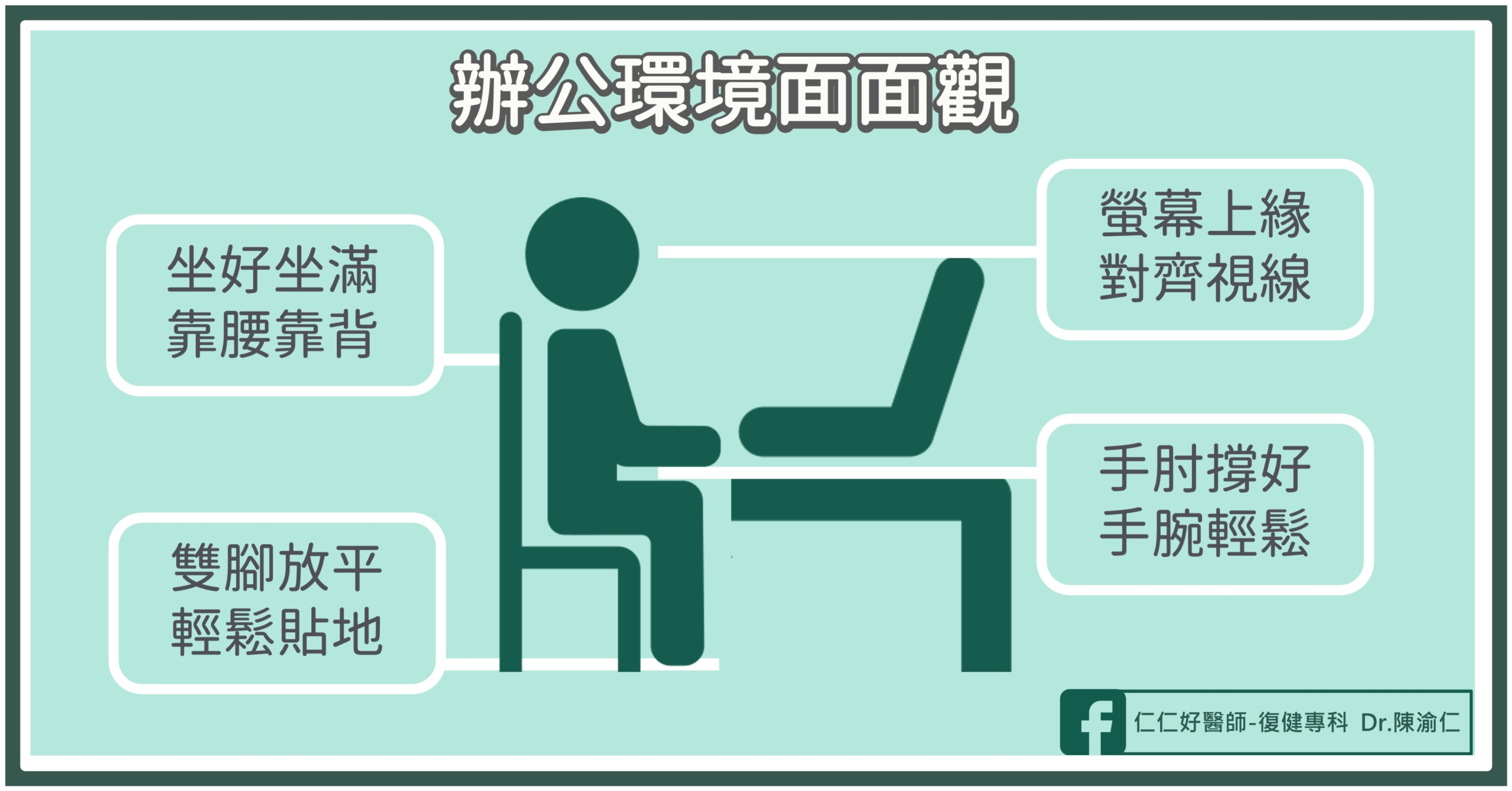
Siéntese bien y completamente, apóyese en la cintura y la espalda
Siéntese en la parte inferior de la silla, de modo que el soporte de la cintura y la espalda no quede suspendido; Si sientes que estás vacío detrás de ti, puedes colocar un cojín. Una postura cómoda debe ser la de tener la espalda recta, el mentón ligeramente recogido, la cabeza recta sin inclinarse hacia adelante y los hombros relajados sin encogerse de hombros.
Los codos están apoyados y las muñecas relajadas
La altura de la mesa debe permitir que los codos cuelguen naturalmente a 90 grados sobre la mesa, transfieran el peso del brazo superior a la mesa y muevan los codos hacia adelante a 10-15 cm del cuerpo. Evite encogerse de hombros. Apoye las muñecas con un cojín o use una alfombrilla de ratón con crestas suaves para apoyar las muñecas y evitar una presión excesiva en las muñecas que comprime el nervio mediano y causa el síndrome del túnel carpiano.
El borde superior de la pantalla debe estar alineado con la línea de visión
El borde superior de la pantalla debe estar alineado con la línea de visión y paralelo a la línea de visión. La distancia entre la pantalla y los ojos es de unos 40-70 cm, de modo que los hombros y el cuello puedan estar relajados para evitar encorvarse. Un método de prueba simple es abrir las ventanas de uso común de la computadora y no es necesario inclinarse hacia adelante cuando necesite ver detalles. Esta es la distancia adecuada entre la pantalla y el cuerpo.
Dispositivos de uso común, cerca del cuerpo
Los teclados, ratones, tabletas y otros dispositivos que se necesitan usar con frecuencia no deben estar demasiado lejos del cuerpo para evitar la extensión excesiva de los codos y el tirón excesivo de los tendones de los hombros.
Pies planos, fáciles de apoyar en el suelo
La altura de la silla debe permitir que los pies se apoyen fácil y naturalmente en el suelo. Si necesita caminar de puntillas, puede causar rigidez en los músculos de la pantorrilla. Evite cruzar las piernas o los pies, ya que puede provocar una tensión excesiva de la banda iliotibial, los músculos de los glúteos o los músculos piriformes e incluso provocar dolor. Si sus pies están suspendidos en el aire, puede colocar un taburete debajo de ellos para compensar la altura suspendida.
Ajuste su dormitorio de esta manera
Los factores más importantes que afectan a la estabilidad de la espalda en el entorno para dormir son las almohadas y los colchones.
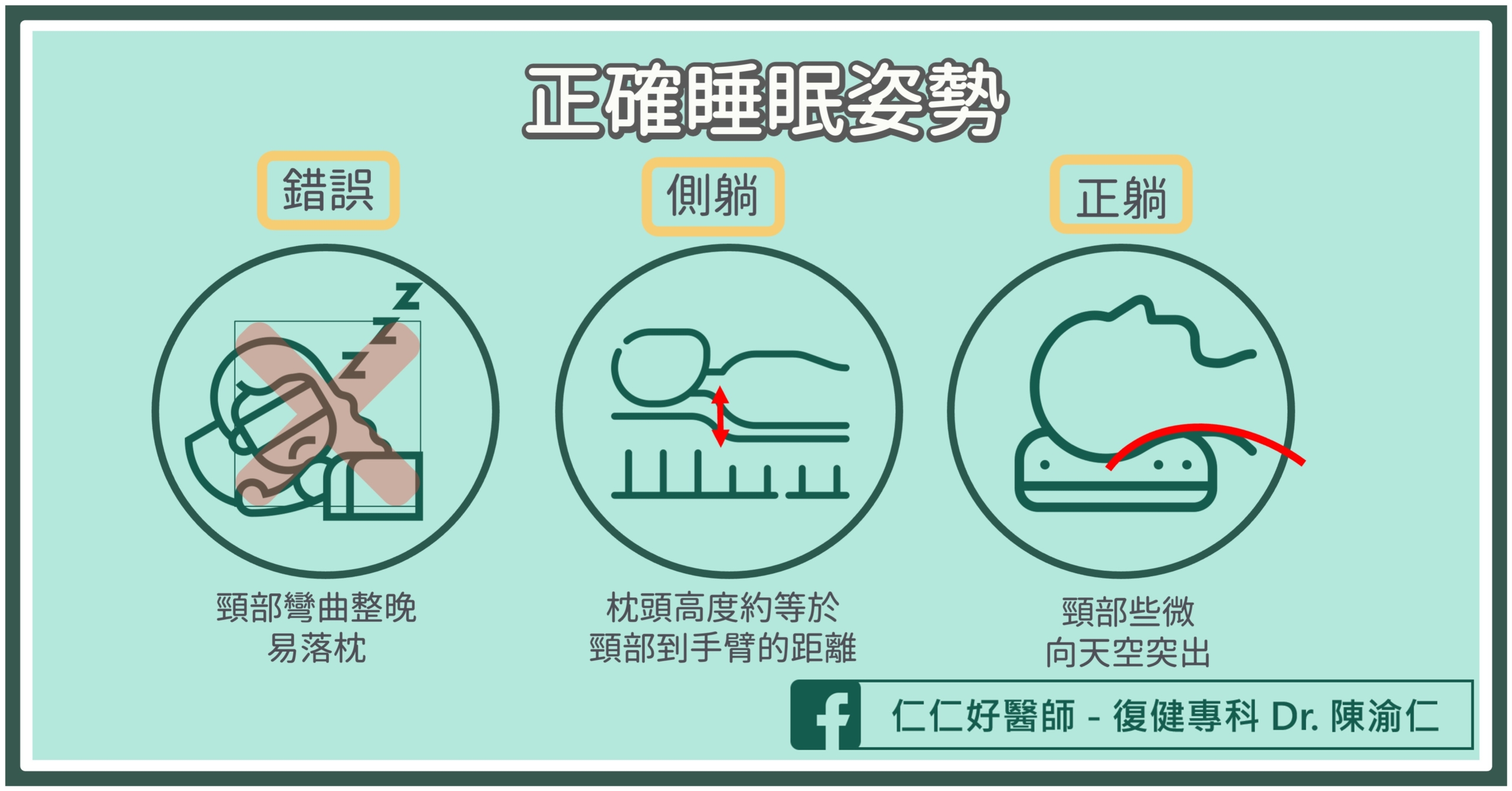
-Almohadas:
Si duerme de lado, la altura de la almohada debe ser aproximadamente igual a la distancia desde su cuello hasta su brazo cuando se acuesta, para que su columna cervical y los músculos de la espalda no se doblen ni se estiren; si duerme boca arriba, debe dejar que su cuello sobresalga ligeramente hacia el cielo, porque el rango normal de la columna cervical es inclinarse ligeramente hacia adelante
-Colchones:
Si su cuerpo se hunde cuando se acuesta, significa que el colchón puede ser demasiado blando. Debido a que el peso de la parte superior e inferior del cuerpo humano es diferente, se recomienda reemplazar la cabeza y la cola del colchón cada seis meses para evitar una fuerza desigual sobre el colchón y reducir el soporte.
Tratamiento de masaje Tuina